Fall at Starbucks means one thing: my clients start asking how to enjoy the new menu without undoing their goals. I got to answer that question for Lose It!'s latest roundup on the Starbucks fall menu.
Fall at Starbucks means one thing: my clients start asking how to enjoy the new menu without undoing their goals. I got to answer that question for Lose It!'s latest roundup on the Starbucks fall menu.
You may already know the benefits of GLP-1 treatments but do you know why nutrition is especially important for those on GLP-1s? It is absolutely critical to eat the right proportions of macros and micros while taking these meds because of the greater potential to underconsume key nutrients and the side effects, as well as long term health outcomes.
When people think of healthy eating, the Mediterranean diet usually gets most of the attention — and for good reason. It’s widely associated with heart health and overall wellness. But it’s far from the only traditional way of eating that can support long-term health.
Across the world, many cultures have built meals around whole, minimally processed foods long before “wellness” became a trend. Diets like the Nordic diet, traditional West African eating patterns, and the Okinawan diet each offer their own flavorful, nourishing approach to eating well. While the ingredients and culinary traditions differ, these eating patterns share a lot in common: plenty of plant foods, fiber-rich staples, and an emphasis on real food over ultra-processed convenience foods.
That’s part of what makes this conversation so refreshing. Healthy eating does not have to look the same for everyone, and there is no single perfect diet. Looking at traditional food cultures from around the world is a helpful reminder that there are many ways to build a nourishing plate.
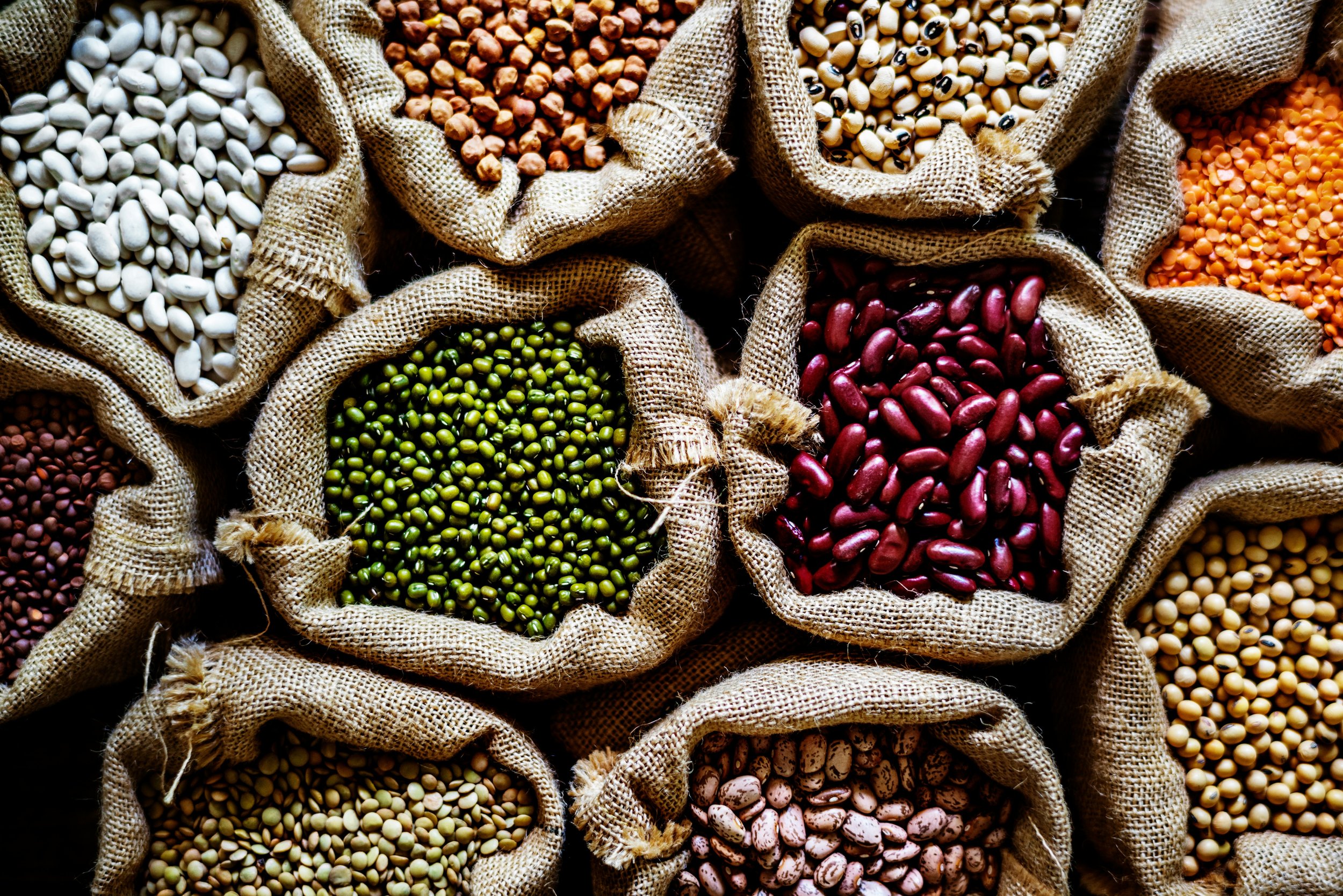
If the Nordic diet had a personality, it would be effortlessly wholesome. Originating in countries such as Denmark, Sweden, Norway, Finland, and Iceland, this eating pattern emphasizes local, seasonal foods that stay fairly close to their natural form. Meals often feature hearty whole grains like rye, oats, and barley, along with fatty fish such as salmon and herring, root vegetables, berries, legumes, cabbage-family vegetables, and canola oil as a primary fat source. (Cleveland Clinic)
What makes the Nordic diet so appealing is that it feels practical as much as it feels healthy. The foods are simple, comforting, and deeply nourishing. This pattern naturally provides fiber, omega-3 fats, antioxidants, and a wide range of important vitamins and minerals, and it has been associated with benefits for heart and metabolic health. (Cleveland Clinic)
So if your ideal meal is something like roasted vegetables, salmon, rye bread, and berries, you are already very much in Nordic diet territory.
Traditional West African diets are rich in both flavor and variety. There is not one single version of a West African diet, but many traditional eating patterns across the region center on whole grains, legumes, tubers, leafy greens, nuts, seeds, fruits, and fermented foods. Ingredients like millet, sorghum, black-eyed peas, okra, yams, and sweet potatoes help create meals that are both deeply cultural and highly nourishing. (Healthline)
One of the most striking things about these food traditions is how naturally balanced they are. They often feature fiber-rich staple foods, a strong plant foundation, and preparation methods that have been part of communities for generations. Those same qualities are closely tied to gut and metabolic health, especially when meals include plenty of plant foods and fermented ingredients. (Cleveland Clinic; Cleveland Clinic)
In a world constantly chasing the next food trend, traditional West African eating patterns are a good reminder that some of the most nourishing ways of eating have been here all along.
The Okinawan diet is one of the most talked-about eating patterns in conversations about longevity, and it’s easy to see why. Originating from Okinawa, Japan, this traditional way of eating is often described as plant-forward, nutrient-dense, and naturally lower in calories than a typical Western diet. It is centered on vegetables, sweet potatoes, soy foods, legumes, and other minimally processed ingredients, with smaller amounts of fish, pork, and rice. (Healthline)
What makes the Okinawan diet especially interesting is that it is not built around expensive wellness products or trendy superfoods. Instead, it relies on simple, everyday foods prepared in a way that supports overall health. It has long been associated with longevity and lower rates of chronic disease, which is one reason it comes up so often in cosations about healthy aging. (Healthline)
There is something refreshing about that simplicity. The Okinawan diet does not sell the fantasy of perfection. It points back to consistency, moderation, and a strong foundation of plant foods.
Although the Nordic, West African, and Okinawan diets come from very different parts of the world, they follow a surprisingly similar rhythm. All three emphasize foods that are close to their natural form rather than heavily processed. All three lean heavily on vegetables and plant foods. All three include fiber-rich staples such as legumes, tubers, or whole grains, and they tend to rely on healthier fat sources from fish, nuts, seeds, or plant oils instead of large amounts of saturated fat. (Cleveland Clinic; Mayo Clinic)
That overlap is not accidental. It reflects the same big-picture nutrition themes that continue to come up again and again: eat more plants, choose whole foods more often, and build meals around ingredients that offer both nourishment and staying power. (Mayo Clinic)

The good news is that you do not need to overhaul your life to take inspiration from these global eating patterns. In most cases, it can start with a few small shifts.
You might build more meals around:
Vegetables
Beans
Fruit
Whole Grains
You could swap refined grains for options like:
Oats
Barley
Rye
Millet
Sorghum
Brown Rice
You might experiment with more:
Fish
Lentils
Tofu
Nuts
And it might be fun to try adding fermented foods to support gut health. (Mayo Clinic; Cleveland Clinic)
The point is not to perfectly copy one traditional diet from another part of the world. The point is to learn from the broader pattern: more whole foods, more plants, more fiber, less ultra-processing, and more intention.
That approach tends to be a lot more sustainable than chasing rigid food rules.
One of the most encouraging things about nutrition is that healthy eating can look a lot of different ways. The Nordic diet feels cozy and hearty. Traditional West African eating patterns are vibrant and deeply rooted in whole foods. The Okinawan diet reminds us that simple, plant-forward meals can become part of a long, healthy life.
Different places, different flavors, different ingredients, but a similar message runs through all of them. Eating well is less about finding one perfect diet and more about building your meals around real, nourishing food in a way that feels enjoyable and sustainable.
And honestly, that may be the healthiest mindset of all.

Traveling opens the door to new cultures, experiences and, of course, incredible food. But it can also disrupt routines, making it harder to maintain the healthy habits you have at home. The good news is that eating well on the road doesn’t require strict rules or deprivation. With a mindful approach, you can enjoy your trip fully while still supporting your energy, digestion and overall wellbeing.
Healthy eating while traveling isn’t about perfection, but it’s important to aim for balance. When you’re exploring a new destination, food is part of the experience, not something you want to control or restrict.
Mindful eating means tuning into your body’s hunger and fullness cues, noticing how different foods make you feel and being present during meals rather than rushing through them. This awareness naturally helps guide you to make healthier choices without the need for a rigid plan.
One of the most effective ways to stay grounded while traveling is to base your meals around whole, nourishing foods whenever possible. Local markets, small cafés and traditional dishes often offer fresh vegetables, fruits, whole grains and quality proteins.
Instead of focusing on what to avoid, think about what you can add into your diet to support your body, whether that’s fiber-rich foods for digestion, protein for sustained energy or colorful produce packed with antioxidants. This approach allows room for flexibility while you’re away while still prioritizing nutrition.
Food often goes hand-in-hand with the culture of a place. Trying regional specialties is a meaningful part of travel and mindful eating encourages you to savor these experiences without guilt. Slowing down, appreciating flavors and eating without distraction can actually enhance satisfaction, meaning you’re less likely to overeat or feel uncomfortably full.

Original Travel’s guide to food tourism offers a thoughtful perspective on experiencing destinations through their culinary traditions. Approaching travel with this mindset can help reframe eating as an enriching, immersive experience rather than something to manage or control.
Planning ahead can also make a significant difference, especially during long travel days, so it’s as important to prepare your snacks as it is to have your passport and boarding pass with you. Having balanced snacks on hand, like nuts, fruit and protein-rich options, can help stabilize your blood sugar and ensures you won’t get overly hungry waiting for meals. When you’re in that state, it’s much harder to make healthy choices.
Staying hydrated is equally important, as travel (particularly flying) can easily lead to dehydration, which often gets mistaken for hunger or fatigue.
Another key aspect of mindful eating while traveling is staying connected to your body’s rhythms. Time zone changes, disrupted sleep and a busy itinerary can all affect your appetite and digestion.
Listening to your body, rather than sticking to a strict eating schedule, helps you respond to these shifts more intuitively. Some days you may need lighter meals, while other days might call for something more substantial. It’s about flexibility.
Ultimately, eating healthily and mindfully while travelling is about being intentional. By staying present, choosing nourishing foods where you can and fully enjoying the moments that matter, you create a balanced approach that supports your wellbeing and boosts your travel experience.
Creatine is one of the most researched and effective supplements for improving strength, supporting brain function, and enhancing overall performance. While often associated with athletes, its benefits extend far beyond the gym—playing a key role in energy production, cognitive health, and healthy aging. In this article, we explore how creatine supports both body and mind, and why it may be a valuable addition to your wellness routine.
Rather than focusing on restriction or perfection, heart-healthy eating is about intentionally adding supportive nutrients throughout the day. This post is a realistic example of what a day of heart-supportive eating can look like, along with easy nutrition boosters you can incorporate into meals you are already enjoying!
When most people hear the word folate, pregnancy immediately comes to mind. While folate is undeniably essential before and during pregnancy, its role in human health extends far beyond the prenatal years. From supporting daily cellular function to promoting healthy aging, brain health, heart health, and women’s health at every stage of life, folate is a nutrient we rely on every single day.
We’ve made it to 2026! I know New Year’s resolutions are on your mind, but today I want you to think about them a little differently. Most January “resets” focus on restriction or quick fixes. They promise fast results but rarely set you up for lasting energy or mental clarity. The truth is that you benefit more from a long-term strategy that supports focus, energy, and longevity. These are the real foundations of a vibrant life. Food isn’t just fuel, it’s daily performance support for both your brain and body. Let’s explore some realistic goals to set you up for success this year.