
Have you ever felt stuck in a creative rut, scatterbrained, or just low on motivation, only to reach for another cup of coffee, hoping it’ll jolt your brain back to life? What if I told you that your meals, not just your mindset or caffeine intake, might be the missing piece?
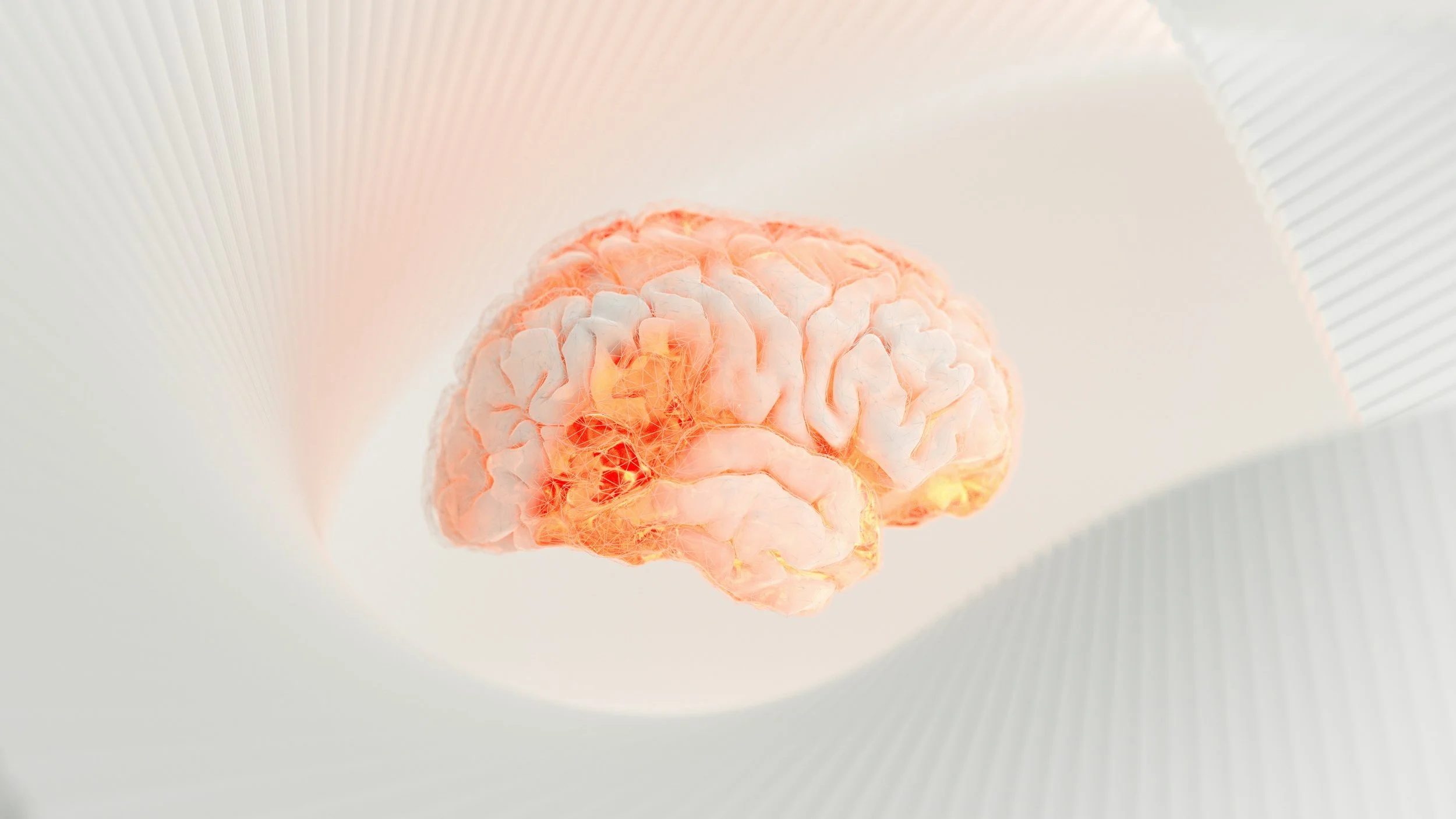
This is where neurotransmitters come in. These are the chemical messengers your brain uses to communicate. They influence everything from your mood and focus to your creativity and ability to stay calm. Think of them as text messages your brain sends out all day long and wild as it sounds, we literally build them from the food we eat!
In this blog, I'll break down how four of the most important neurotransmitters—dopamine, serotonin, GABA, and acetylcholine—are fueled by specific nutrients, and how eating the right foods can support your brain in doing its best, most creative work.
Dopamine: The Motivation Molecule
If you’ve ever felt that spark of energy starting a new project, or the satisfying high of finishing one, you’ve felt dopamine in action. It’s the neurotransmitter tied to motivation, drive, and reward.
Dopamine is made from the amino acids tyrosine and phenylalanine, found in protein-rich foods like:
Eggs
Fish
Dairy
Soy
Legumes
Your body also needs iron, copper, and B vitamins to complete the process. So, if you’re feeling foggy, low on drive, or creatively stuck, it might not be a lack of inspiration, it could be your brain missing the raw materials it needs to fire up motivation.
Brain Fueling Tip: You don’t need to overload on protein, just make sure you’re getting high-quality sources consistently throughout the day. I recommend 20-30g per meal and 5-10g per snack. This could look like 1 cup of cottage cheese in the morning, 3–4 oz of chicken or fish with lunch or dinner, and snacks like ¼ cup of edamame, a hard-boiled egg, or a small handful of almonds.
Serotonin: The Mood Stabilizer
Often called the “happy hormone,” serotonin helps regulate mood, calmness, and sleep. It’s made from tryptophan, another amino acid found in:
Turkey
Oats
Bananas
Kiwi
Nuts & seeds
But here’s the twist: tryptophan needs to cross the blood-brain barrier to become serotonin, and it does that best when paired with complex carbohydrates, like:
Sweet potatoes
Whole grains
Oatmeal
Your body also needs vitamin B6 and iron to convert tryptophan effectively.
Brain Fueling Tip: A snack like a banana with almond butter or a bowl of oatmeal with seeds can actually boost your mood in a real, biological way.
GABA: Your Brain’s Brake Pedal
If your thoughts feel like they’re going 100 miles an hour, or you’re anxious and overstimulated, GABA might be running low. GABA helps calm the nervous system and slow down runaway thinking.
It’s made from glutamate (an amino acid), with the help of vitamin B6. To support GABA, include foods like:
Spinach
Sweet potatoes
Tomatoes
Mushrooms
Fermented dairy (yogurt, kefir)
Fermented foods (kimchi, miso, some teas)
While some fermented foods contain small amounts of GABA itself, research is still evolving on how much our bodies actually absorb.
Brain Fueling Tip: Focus on foods that support the conversion of glutamate to GABA for natural calm and clarity.
Acetylcholine: The Learning & Memory Molecule
Often overlooked, acetylcholine is key for focus, learning, and memory. It’s what helps you stay sharp in a brainstorm or remember the name of someone you just met.
Acetylcholine is made from choline, a nutrient many people don’t get enough of. Top food sources include:
Egg yolks (nature’s choline powerhouse)
Liver
Brussels sprouts
Some dairy products
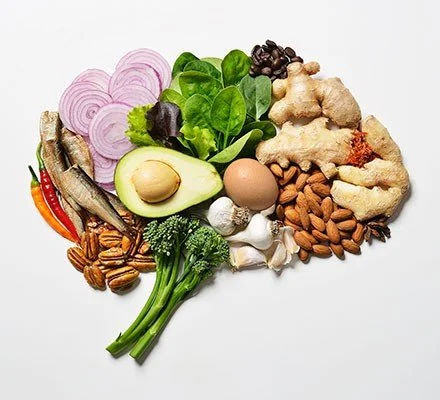
It also relies on healthy fats and B vitamins to function properly, so don’t forget about brain-friendly fats like salmon, avocado, and olive oil.
Brain Fueling Tip: If you’re skipping egg yolks or eating mostly plant-based, be intentional about getting enough choline, an essential nutrient for brain health. If you're not meeting your needs through food, consider a supplement. Look for products with the VitaCholine® logo which means it has the most bioavailable (best absorbed) form. Nature Made is a solid, accessible option!
The Bottom Line: Food is Brain Fuel
You don’t need to memorize every neurotransmitter or chemical pathway, but knowing your meals directly impact how you think and feel is powerful.
Instead of relying solely on caffeine or willpower, start thinking of food as your creative co-pilot. With the right nutrients, your brain has everything it needs to be motivated, balanced, calm, and focused.
Want more tips on when to eat these brain-boosting foods for maximum impact? That’s coming soon! Follow @domestika and me, @nomadista_nutrition, on instagram to stay tuned for my new course: The Creative’s Brain Fuel: How to Eat for Innovation & Flow!