
In the evolving landscape of performance and longevity, few supplements are as well-researched—yet still widely misunderstood—as creatine. Often associated with gym culture or bodybuilding, creatine is far more than a tool for athletes. It plays a fundamental role in how the body and brain produce and use energy, making it highly relevant for anyone focused on resilience, performance, and long-term health.
At a cellular level, creatine helps regenerate ATP (adenosine triphosphate), the body’s primary energy source. During short bursts of high-intensity activity—like strength training, sprinting, or interval work—ATP is quickly depleted. Creatine, stored as phosphocreatine, helps replenish it rapidly. By increasing these energy reserves, supplementation can enhance strength output, improve training capacity, and support faster recovery.
The physical performance benefits are well documented. Research consistently shows that creatine supplementation, when combined with resistance training, can improve strength, power, and lean muscle mass in both men and women. For most adults, a simple daily dose of 5 grams of creatine monohydrate—the most studied and reliable form—is sufficient.
But creatine’s impact extends well beyond the gym. Let’s explore more benefits!

Supporting Women Through Midlife Transitions
Hormonal shifts during perimenopause and menopause—particularly declining estrogen—can affect muscle mass, bone density, metabolism, and even cognitive clarity. Strength training becomes increasingly important during this phase, and creatine may amplify its benefits.
Emerging research suggests that creatine supplementation in postmenopausal women can enhance strength gains and help preserve lean muscle when paired with resistance training. This is critical not only for physical function, but also for metabolic health and maintaining independence over time. Increased muscle strength also contributes to greater mechanical loading on bones, which may support bone health indirectly.
For women prioritizing vitality and longevity through midlife, creatine is a simple, well-supported addition to a comprehensive wellness routine.
Brain Energy and Cognitive Performance
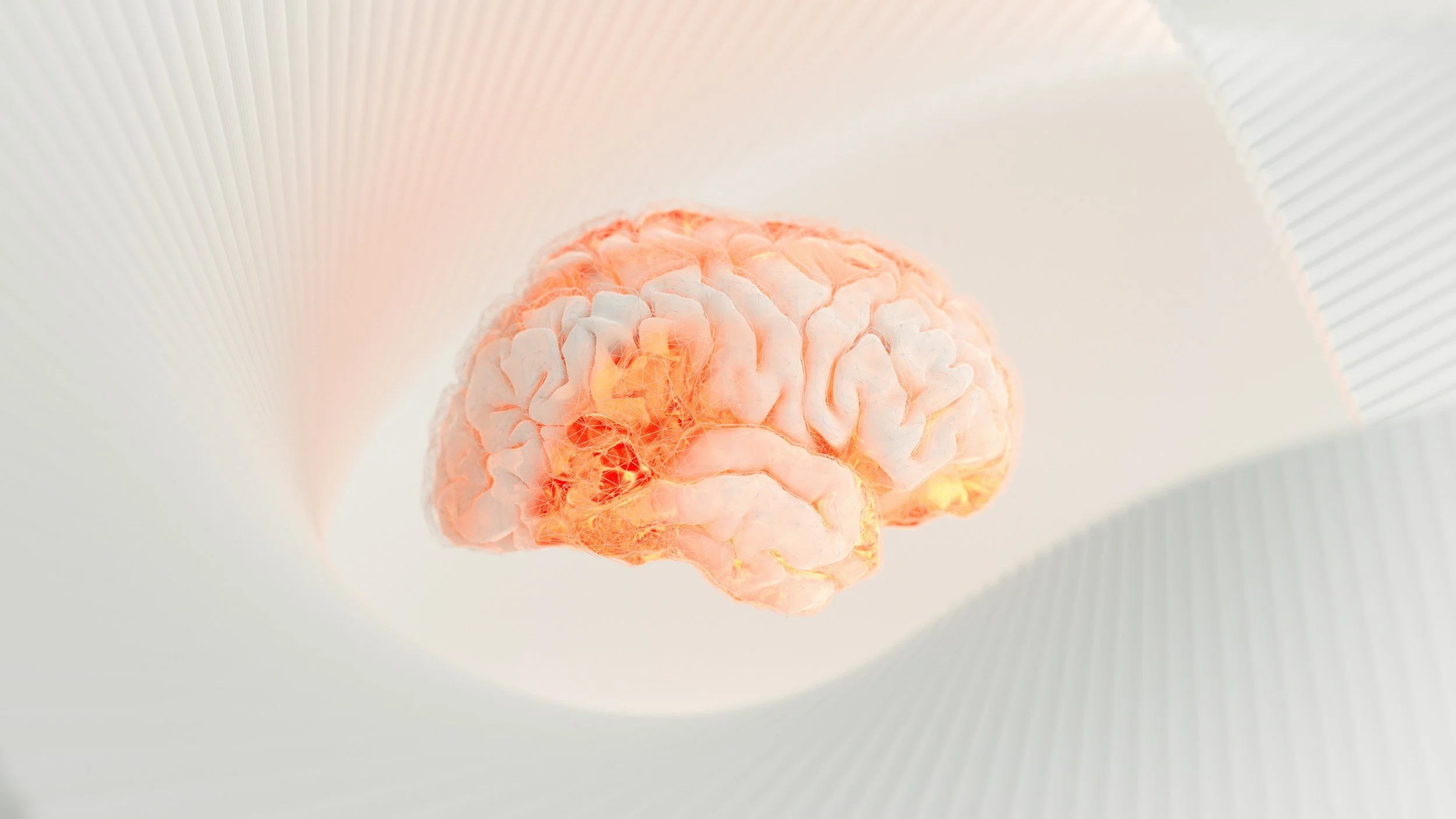
Creatine isn’t just stored in muscles—it’s also present in the brain. As one of the body’s most energy-demanding organs, the brain relies heavily on efficient ATP production to function optimally.
Supplementation may help support this process. Research suggests creatine can improve working memory, reduce mental fatigue, and enhance cognitive performance, particularly during periods of stress or sleep deprivation. There’s also growing interest in its potential neuroprotective effects and its role in supporting individuals with mood or neurodegenerative conditions.
While research is ongoing, the underlying principle is clear: better cellular energy availability may support more stable, efficient brain function—especially in high-demand environments.

Mood and Emotional Resilience
Some studies indicate that creatine may enhance the effectiveness of certain treatments for depression. While it’s not a replacement for medical or mental health care, it may play a supportive role within a broader wellness framework that includes movement, nutrition, sleep, and stress management.
Safety and Practical Use
Creatine monohydrate is one of the most extensively studied supplements available and is considered safe for long-term use in healthy individuals at doses of 3–5 grams per day.
Staying well-hydrated is important, as creatine draws water into muscle cells. A general guideline is to aim for at least half your body weight (in ounces) of water daily.
There is no strong evidence linking creatine use to kidney damage in healthy individuals when taken at recommended doses. However, those with existing kidney conditions should consult a healthcare provider before starting supplementation.
As for timing, consistency matters more than when you take it—daily intake is key.
The Takeaway
Creatine is far more than a performance supplement. Its benefits span physical strength, cognitive function, and potentially even emotional resilience—making it a valuable tool for those focused on long-term health and performance. For individuals who prioritize evidence-based wellness, a daily dose of creatine monohydrate offers a simple, effective way to support both body and brain.
If you’re looking for more personalized guidance on optimizing your nutrition and performance, consider working with us at Nomadista Nutrition—we’d love to support your journey.