February is American Heart Month, a timely reminder that everyday nutrition choices play a powerful role in supporting cardiovascular health. Heart disease remains the leading cause of death worldwide, yet many risk factors are modifiable through simple, consistent dietary habits.
Rather than focusing on restriction or perfection, heart-healthy eating is about intentionally adding supportive nutrients throughout the day. Below is a realistic example of what a day of heart-supportive eating can look like, along with easy nutrition boosters you can incorporate into meals you are already enjoying.
WHY DAILY HEART-HEALTHY CHOICES MATTER
Cardiovascular health is influenced by what we eat repeatedly over time. Nutrients such as fiber, unsaturated fats, omega-3 fatty acids, and antioxidants work together to support healthy cholesterol levels, reduce inflammation, regulate blood pressure, and protect blood vessels. The goal is not a single “perfect” meal, but a pattern of nourishing choices made consistently.
A HEART-HEALTHY MORNING
A balanced breakfast sets the tone for blood sugar stability and cholesterol management throughout the day.
Heart-healthy breakfast boosters:
• Add ground flaxseed or chia seeds to oatmeal, yogurt, or smoothies for fiber and omega-3s
• Include berries such as blueberries, raspberries, or strawberries to boost antioxidants
• Choose oats, whole-grain toast, or high-fiber cereals
• Use unsweetened plant milk or low-fat dairy options
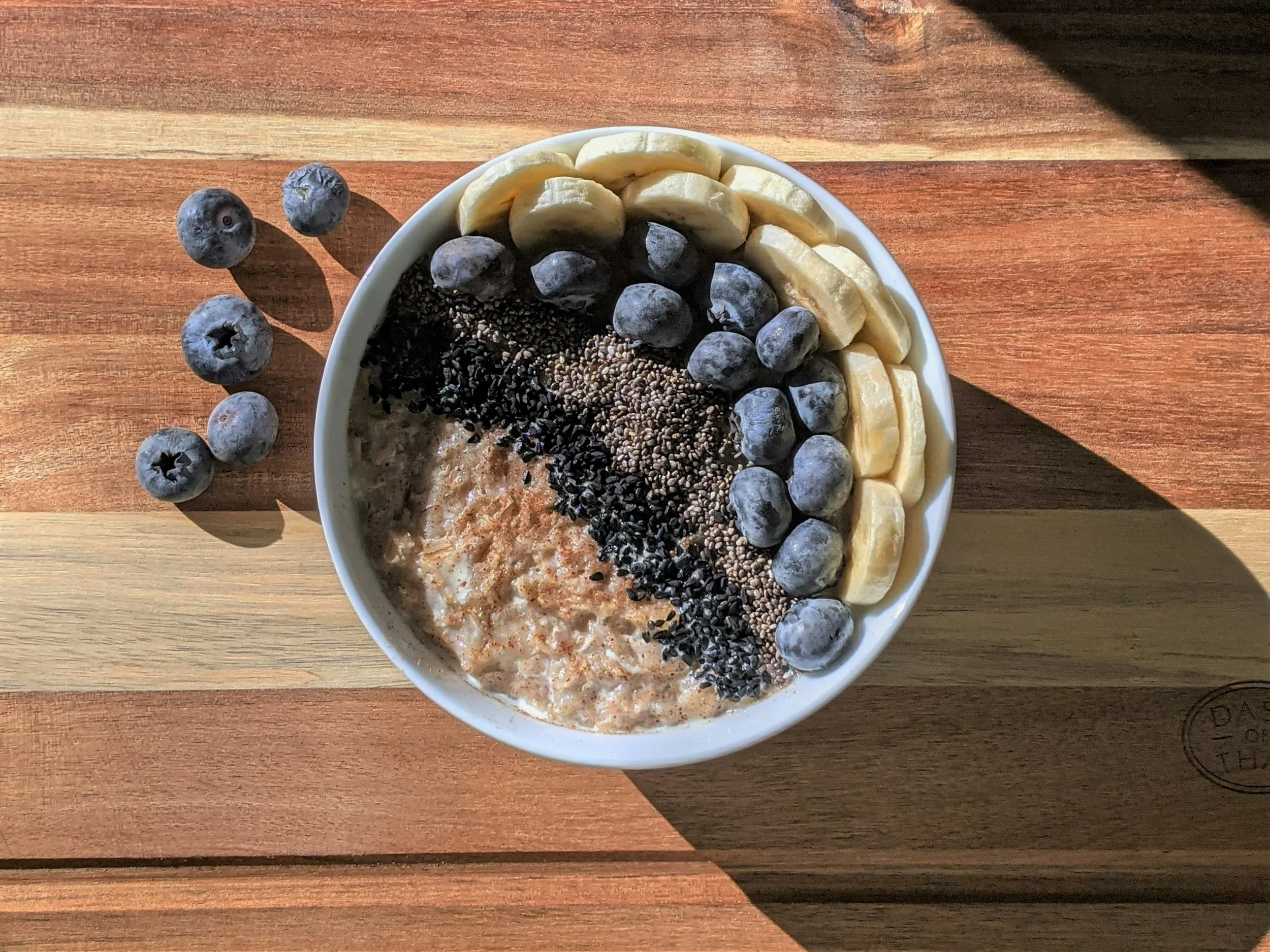
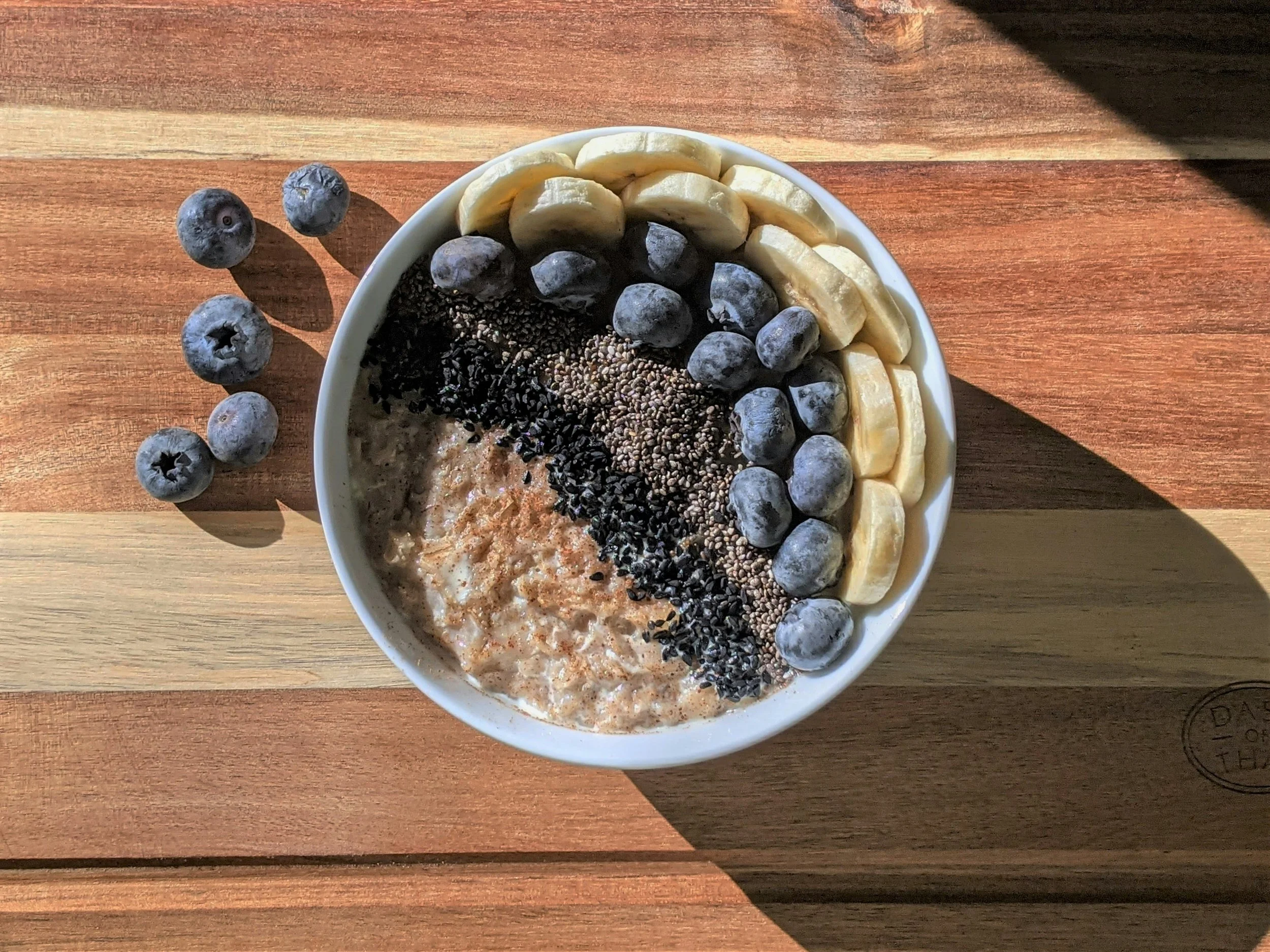
Example: Oatmeal prepared with unsweetened almond milk, topped with blueberries, chia seeds, and a spoon of nut butter.
MID-MORNING SUPPORT
Small snacks can be an opportunity to add heart-supportive nutrients without overeating.
Heart-healthy snack ideas:
• Apple with peanut or almond butter
• Yogurt with berries and cinnamon
• A small handful of nuts or olives
• Whole-grain crackers (I love Crunchmaster) with hummus
Pairing fiber with healthy fats or protein helps maintain steady energy and supports cardiovascular health.
A HEART-BALANCED LUNCH
Lunch is an ideal time to focus on fiber, plant diversity, and healthy fats.
Key components of a heart-healthy lunch:
• Vegetables filling at least half the plate
• Whole grains such as quinoa, farro, or brown rice
• Plant or lean protein sources like beans, lentils, tuna, salmon, tofu, or chicken
• Healthy fats from olive oil, avocado, seeds, or nuts
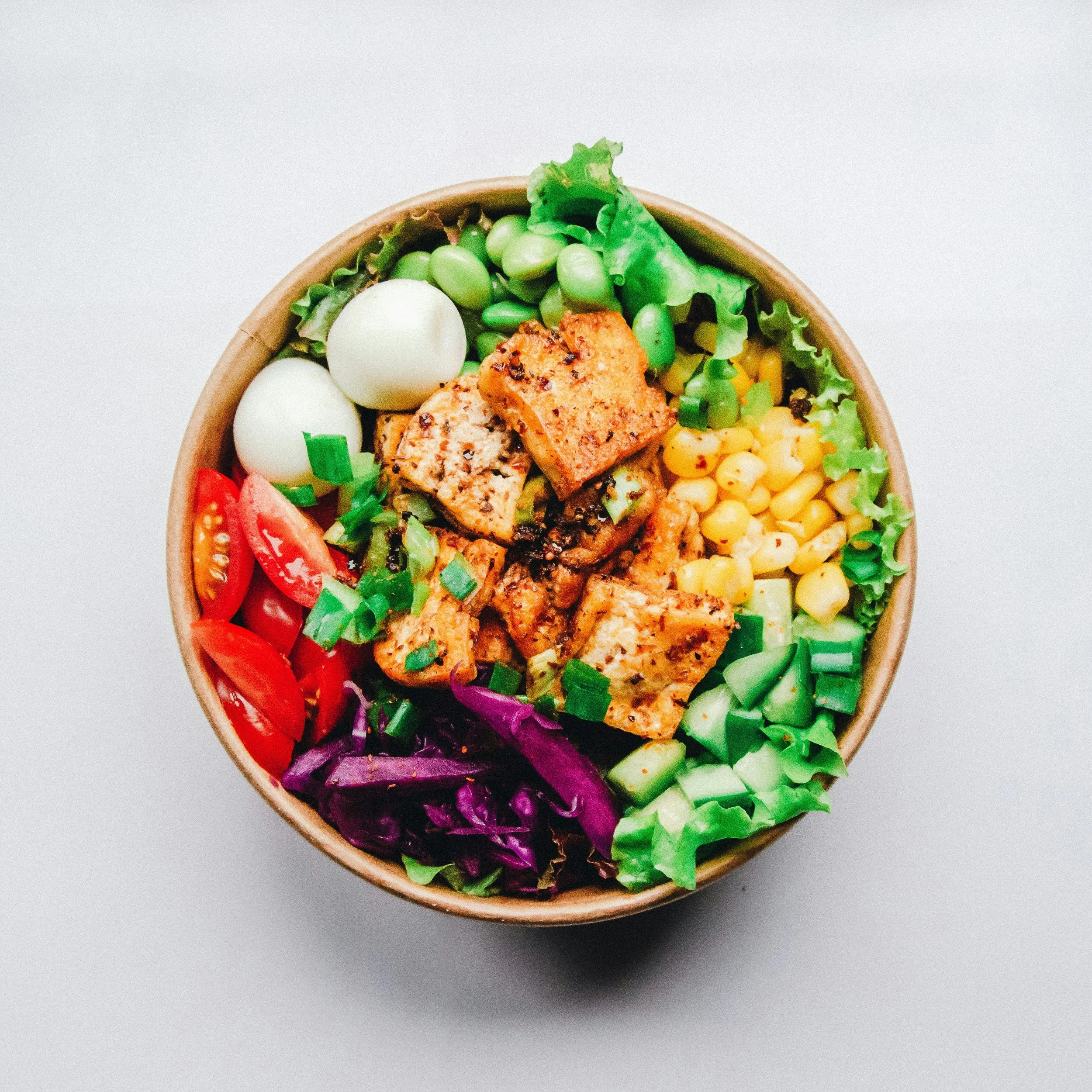
Example: A large salad with mixed greens, roasted vegetables, chickpeas, quinoa, avocado, and an olive oil–based dressing.
One of the simplest upgrades for heart health is adding beans or lentils to meals you already eat. Their high fiber content plays a meaningful role in lowering LDL cholesterol.
AFTERNOON ENERGY WITHOUT THE CRASH
Afternoon snacks can support heart health while preventing blood sugar dips.
Heart-supportive options:
• Dark chocolate with at least 70 percent cacao (I love the HU brand)
• Green tea or matcha
• Low fat cottage cheese or yogurt with cinnamon
• Trail mix made with nuts and seeds
Polyphenols found in tea, cacao, and spices help reduce oxidative stress and inflammation linked to cardiovascular disease.
A NO-FUSS HEART-HEALTHY DINNER
Dinner does not need to be complicated to be heart supportive.
Simple dinner upgrades:
• Include fatty fish such as salmon, sardines, trout, or tuna a few times per week.
• Roast or sauté vegetables using olive oil instead of butter
• Choose whole grains when possible
• Flavor meals with herbs, spices, citrus, and garlic rather than excess salt
Example: Baked salmon with roasted Brussels sprouts and quinoa drizzled with olive oil and herbs.
Canned and tinned fish (like these from Fish Wife) are convenient options that provide significant omega-3 benefits.
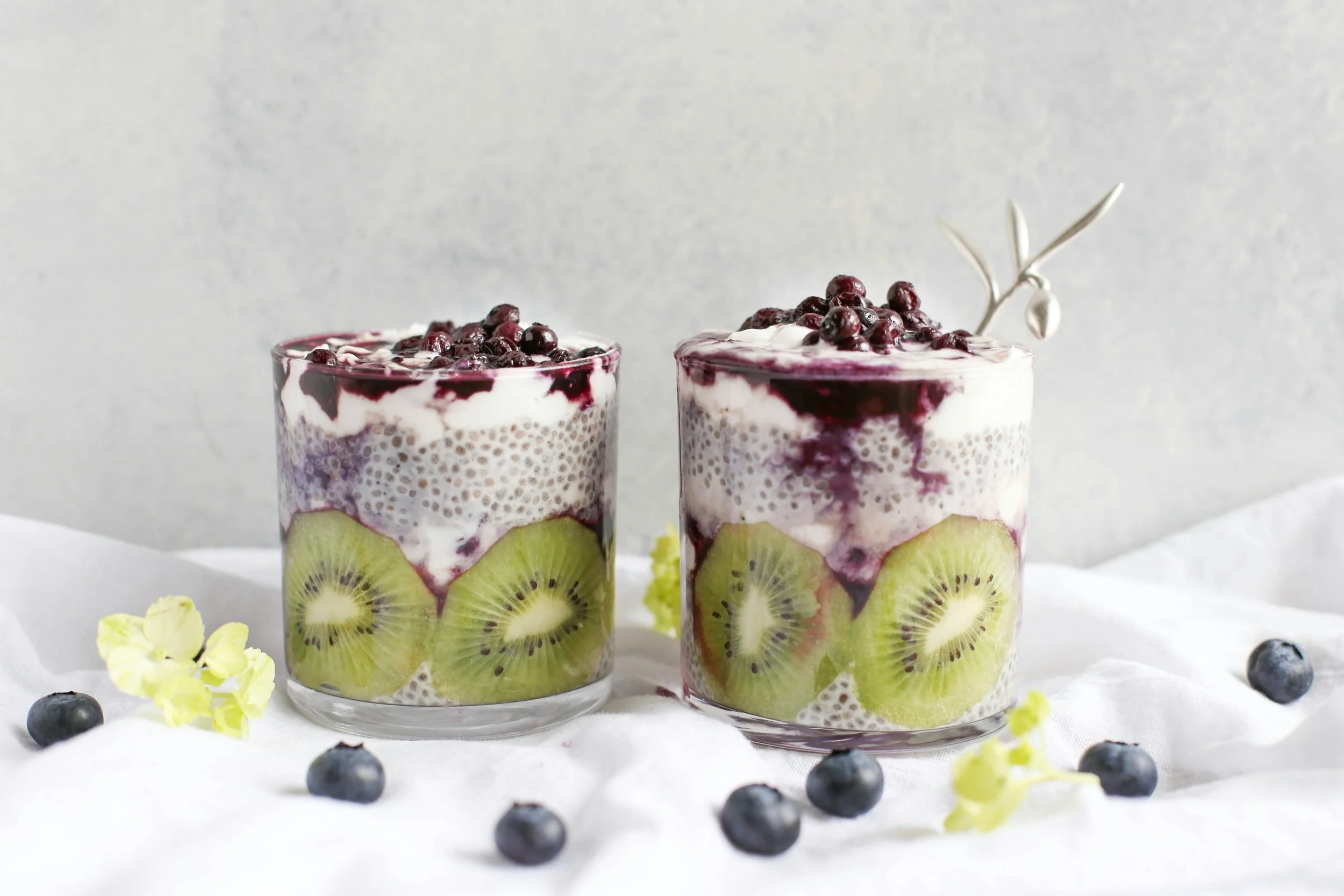
ENDING THE DAY ON A HEART-FRIENDLY NOTE
If you enjoy something sweet in the evening, aim for options that still offer nutritional value.
Examples include berries with yogurt, chia pudding, or a fiber-rich smoothie. These options provide antioxidants and fiber without excessive added sugars.
THE BIG PICTURE
Heart-healthy eating is built on small, repeatable actions rather than drastic changes. Adding a few fiber-rich foods, choosing unsaturated fats more often, incorporating omega-3s regularly, and prioritizing colorful produce can significantly improve cardiovascular health over time.
Consistency matters far more than perfection. Even one or two intentional nutrition boosters per day can make a meaningful difference in supporting your heart. If you want more support optimizing your heart health, reach out for personalized nutrition counseling and meal planning support!