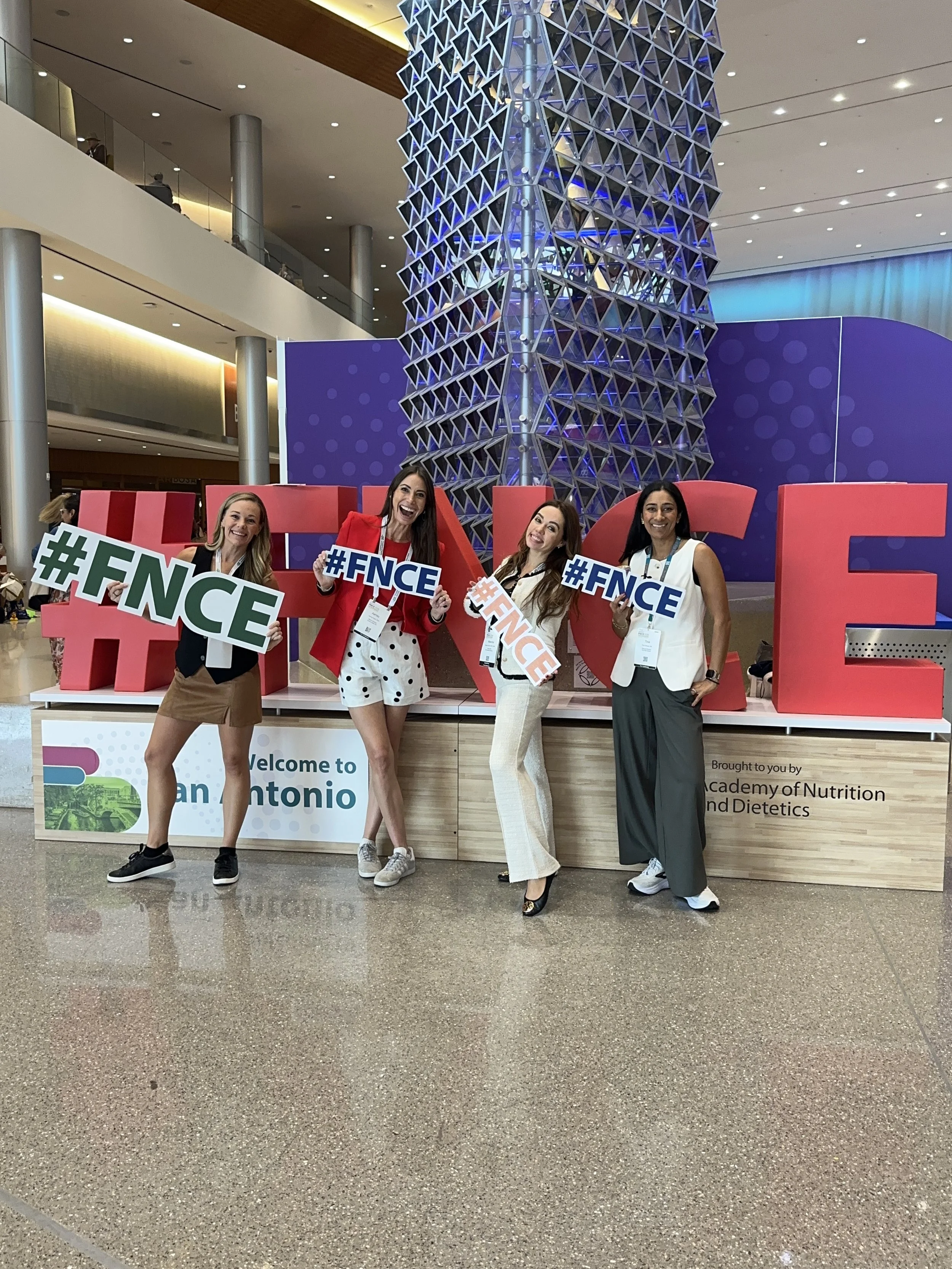
Every fall, thousands of dietitians descend on one city for FNCE, the Food & Nutrition Conference & Expo. It's the Academy of Nutrition and Dietetics' annual meeting and the biggest gathering of nutrition professionals in the world. This year we took over San Antonio from October 24 to 27, and I came home inspired, a little sleep deprived, and with a long list of things to dig into.
I split my time between four things: education sessions, the expo floor, brand events and PR gatherings (yes, including a few parties), and my favorite part, catching up with RD friends old and new. Here's what stood out.
Session 1: RDN-Led Longevity Solutions
Advancing Lifestyle Medicine Through Case Studies and Innovation: RDN-Led Longevity Solutions (Sunday, October 25) was presented by registered dietitians SeAnne Waite and Sue Linja and lifestyle medicine physician assistant Sena Stillman.
The big message: longevity isn't about a single supplement or a trendy protocol. The session walked through three clinical cases built around the six pillars of lifestyle medicine:
Plant-forward eating
Regular movement
Restorative sleep
Stress resilience
Meaningful social connection
Avoiding risky substances
They also pulled in lessons from centenarian research, and showed some of the tech coming into longevity care, including an AI health companion and a portable liver-scanning device that could help dietitians catch and prevent fatty liver disease (now called MASLD) earlier.
The speakers also shared two free screening tools I'm already putting to use:
AHA PREVENT Calculator: the American Heart Association's tool for estimating 10-year and 30-year risk of heart disease, stroke and heart failure in adults ages 30 to 79. It factors in heart, kidney and metabolic health.
FIB-4 Index for Liver Fibrosis: a quick calculator that uses age, two liver enzymes (AST and ALT) and platelet count to flag people who may be at risk for liver scarring from MASLD. This one matters because liver enzymes can look normal until the disease is advanced, and early-stage damage can often be reversed while advanced scarring cannot.
These tools are meant to start a conversation with your healthcare provider, not replace one.
My takeaway: Lifestyle medicine is growing fast as a prevention-first model of care, and dietitians are in a great position to lead it rather than sit on the sidelines. The habits that move the needle on healthy aging are not glamorous, but they are powerful when they're personalized and done consistently. This is exactly the thinking behind the 3-month longevity program I'm launching at Nomadista Nutrition in early 2027. Stay tuned!
Session 2: Metabolism in Menopause
Metabolism in Menopause: Integrating Nutrition, Hormones & Strength (Sunday, October 25) brought together a true dream team: dietitians Janna Weaver and Jennifer Hanes, OB-GYN Dr. Carolyn Moyers, and physical therapist Brooke Miller.
The session tackled what so many of my clients feel but don't always have words for. During perimenopause and menopause, hormonal shifts can speed up muscle loss, increase visceral (belly) fat and make the body less sensitive to insulin. The panel covered:
Anabolic resistance: as we age, muscles respond less to protein, so how much protein you eat and how you spread it across the day matters more.
Strength training: resistance training is one of the best tools for holding on to lean muscle in midlife.
Hormone therapy: how it fits into the bigger picture, and why dietitians need to understand it to support clients well.
Pelvic and orthopedic strength: making sure exercise advice is safe and realistic for women's bodies at this stage.
My takeaway: Menopause care works best as a team sport. Nutrition, movement and medical care each matter, but they matter most together. If you're in midlife, think "protein at every meal plus lifting heavy things" as a starting point, and find providers who talk to each other.
Session 3: Evolving With AI
Evolving With AI: A New Relationship With Food, Data, and Decision-Making (Monday, October 26) was led by Dr. Tatyana El-Kour, an RDN and media psychologist, with Dr. Jerri Lynn Hogg and dietitian Dima Salhoobi.
This wasn't a "10 AI tools for dietitians" talk. It looked at something bigger: how AI is changing the way people relate to food, data and authority. Who do we trust for nutrition advice when an app can answer in seconds?
The format was interactive, set up as a Human-AI Decision Lab. We worked through nutrition scenarios, made a call, and then had to rethink it as AI recommendations and new information came in. It was a great reminder to ask:
What is influencing my decision?
What am I trusting, and why?
What might be missing?
Where does responsibility sit when AI is part of the process?
The session also dug into privacy and ethics, two areas where health professionals need to stay sharp as AI shows up in everything from charting to consumer apps.
My takeaway: AI is a tool, not a replacement for clinical judgment. My clients are already asking chatbots about their diets, so my job is to help them think critically about what they're reading, and to use these tools responsibly in my own practice.
Highlights From the Expo Floor
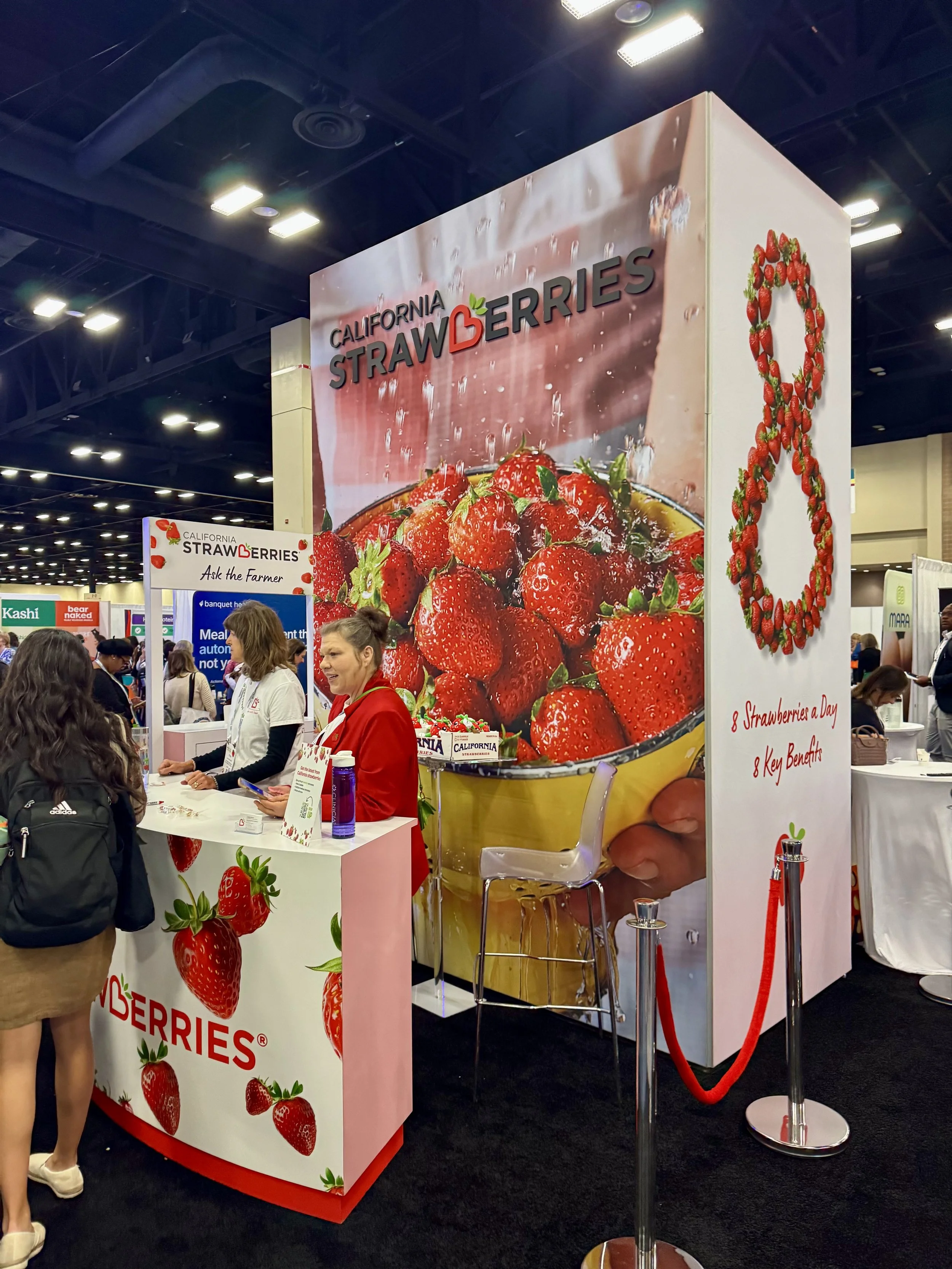
The california strawberries booth is always beautiful!
The expo is where you see what's coming next in the food world. A few things I loved:
Strawberries with California Strawberries: about 8 strawberries is one serving, packed with fiber, antioxidants and polyphenols. A simple, sweet habit.
Pulses with USA Pulses: beans, lentils, chickpeas and dry peas give you plant protein and fiber in one budget-friendly package. Most of us fall short on fiber, and pulses are one of the easiest fixes there is.
Lifeway Kefir and a2 Milk: I enjoyed learning more about what makes each one different and where they fit in a gut-friendly diet.
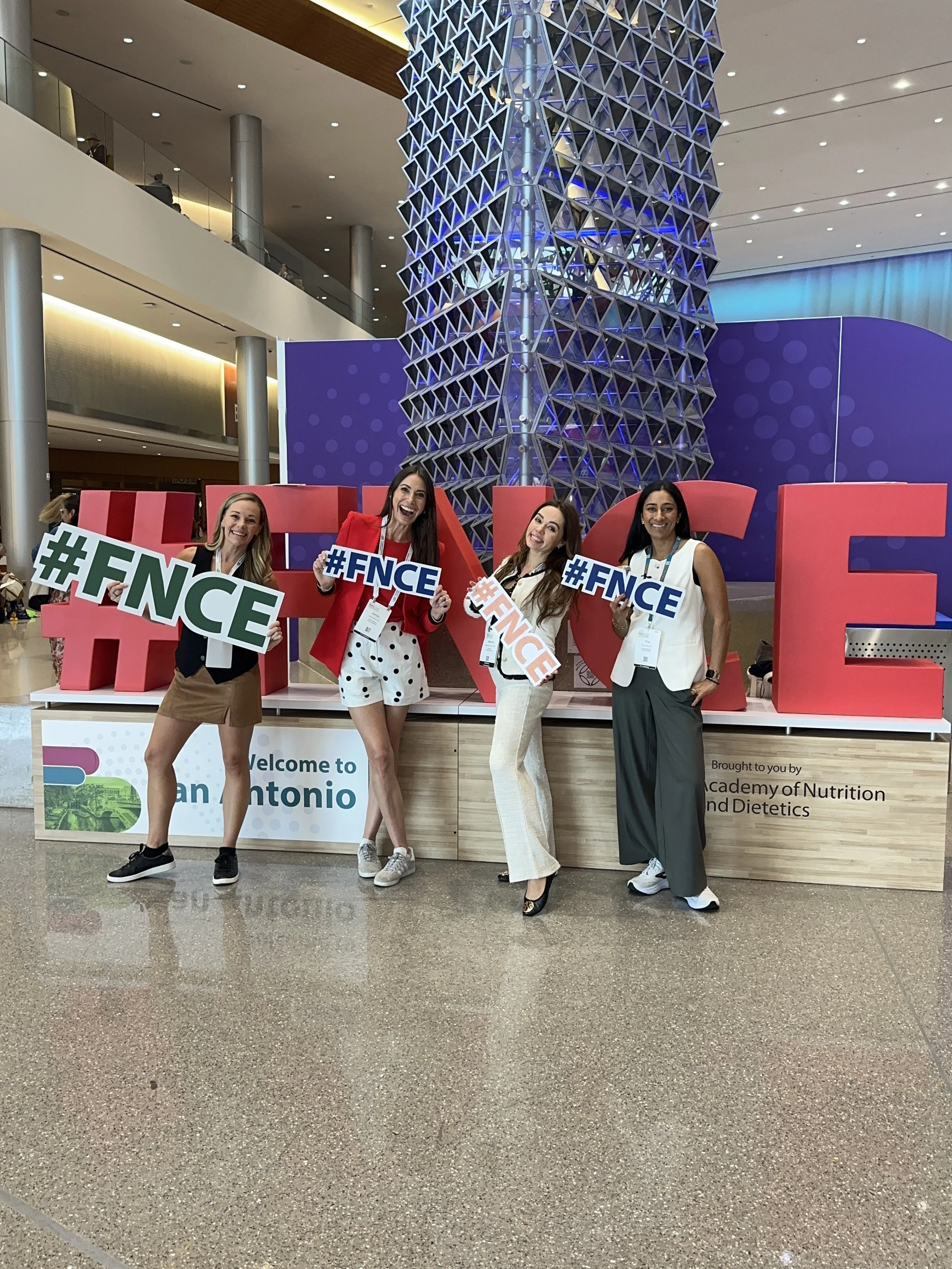
Prunes with Sunsweet: beyond their reputation for digestion, prunes have growing research behind them for bone health, especially after menopause. A nice tie-in to the menopause session!
Walnuts and sleep with California Walnuts: walnuts contain plant omega-3 ALA, tryptophan and melatonin. The research on walnuts and sleep is still preliminary, but I'm watching it.
Desert Olive Tree Pearls from Season: my favorite new find of the whole conference.
Good Idea: a Swedish sparkling water designed for mealtime. Functional drinks are everywhere right now, and my rule stays the same: read the label and ask what the research behind the claim actually shows.
Dubai Chocolate pistachios from Wonderful Pistachios: a first taste of a fun new launch.
Live podcast recordings: right in the middle of the expo, including The Good Clean Nutrition Podcast from Orgain, hosted by Dr. Ginger Hultin, DCN, RDN, CSO. People get their nutrition info from podcasts and social feeds now, and it was great to see evidence-based voices showing up there too.
The Best Part: The People
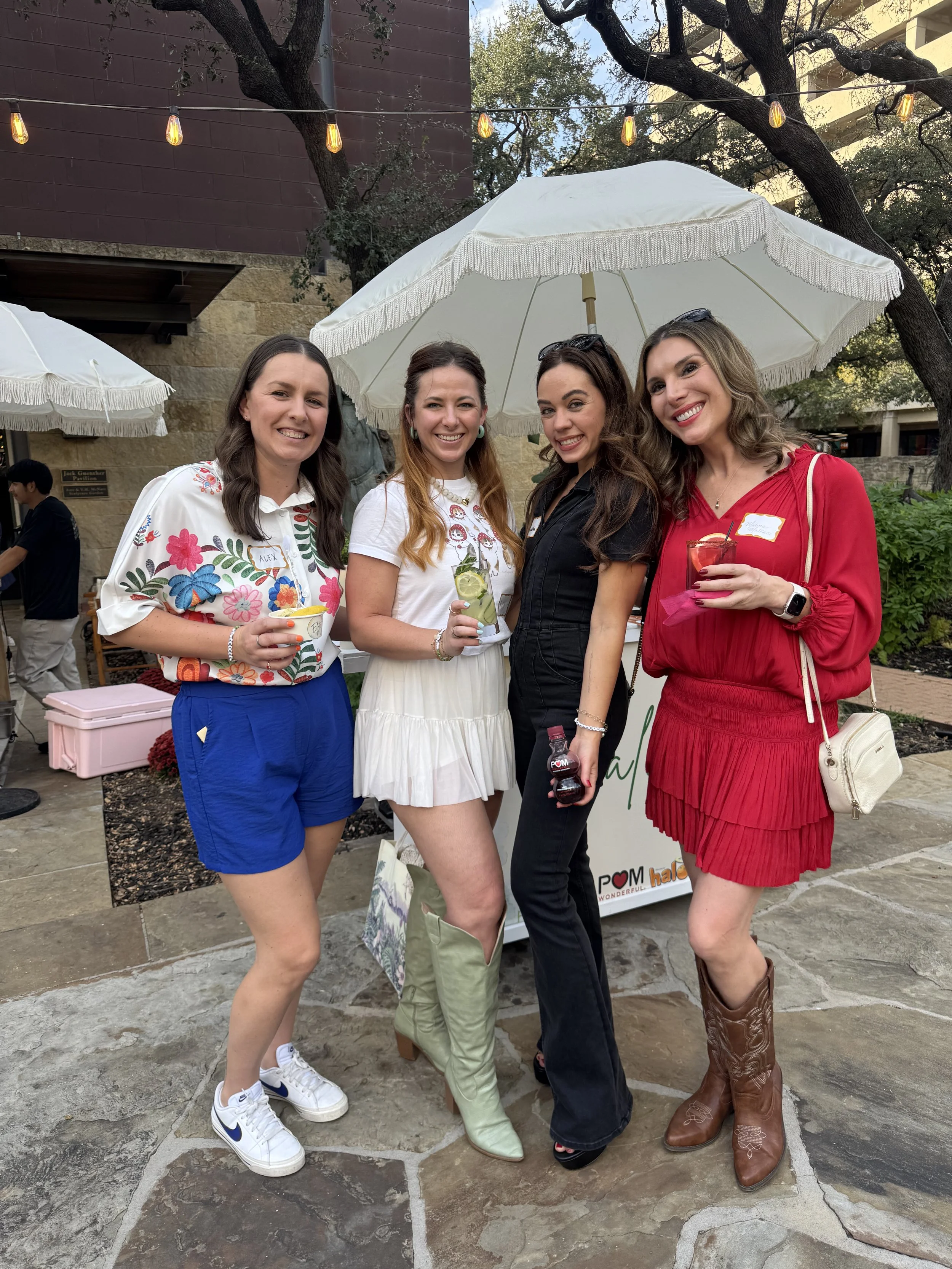
The evenings were just as good as the days, from the POM Wonderful + Wonderful Halos event to late conversations with dietitian friends. Huge thanks to the brands who hosted us, and to my RD community for the conversations that spark more ideas than any session.
What I'm Taking Home
If I had to sum up FNCE 2026 in three lines:
Longevity is built on everyday habits, and dietitians should be leading that conversation.
Midlife women deserve better, more integrated care, with protein and strength at the center.
AI is here, and our critical thinking matters more than ever.
Next year FNCE heads to Washington, DC (October 23 to 26, 2027). See you there!
Which topic should I go deeper on: longevity, menopause, AI or one of the expo finds? Let me know in the comments.